
For teens and adults
Absent periods (missed periods)
If periods have stopped for months, it can feel unsettling. This hub explains the most common causes, what tests are usually done first, and where deeper information sits so you can follow a clear path.
Quick definition
Medical term: secondary amenorrhoea. This means periods that used to come have stopped for 3 months (if usually regular) or 6 months (if usually irregular).
Not sure if this is the right page? For no first period, see No periods yet (primary amenorrhoea).
When to seek urgent care
- Positive pregnancy test with one-sided pain, shoulder-tip pain, dizziness, or bleeding (urgent ectopic check needed).
- Severe headache, visual change, or vomiting with missed periods.
- Heavy bleeding after a period of absent periods.
- Severe pelvic pain, fever, or feeling very unwell.
If you are unsure, contact reception or your nearest emergency centre.
Most common causes
Pregnancy should always be checked first. After that, most causes are identifiable with structured history, targeted blood tests, and selective imaging.
PCOS

One of the most common causes. Cycles can become infrequent or absent, often with acne or increased facial/body hair.
Functional hypothalamic amenorrhoea
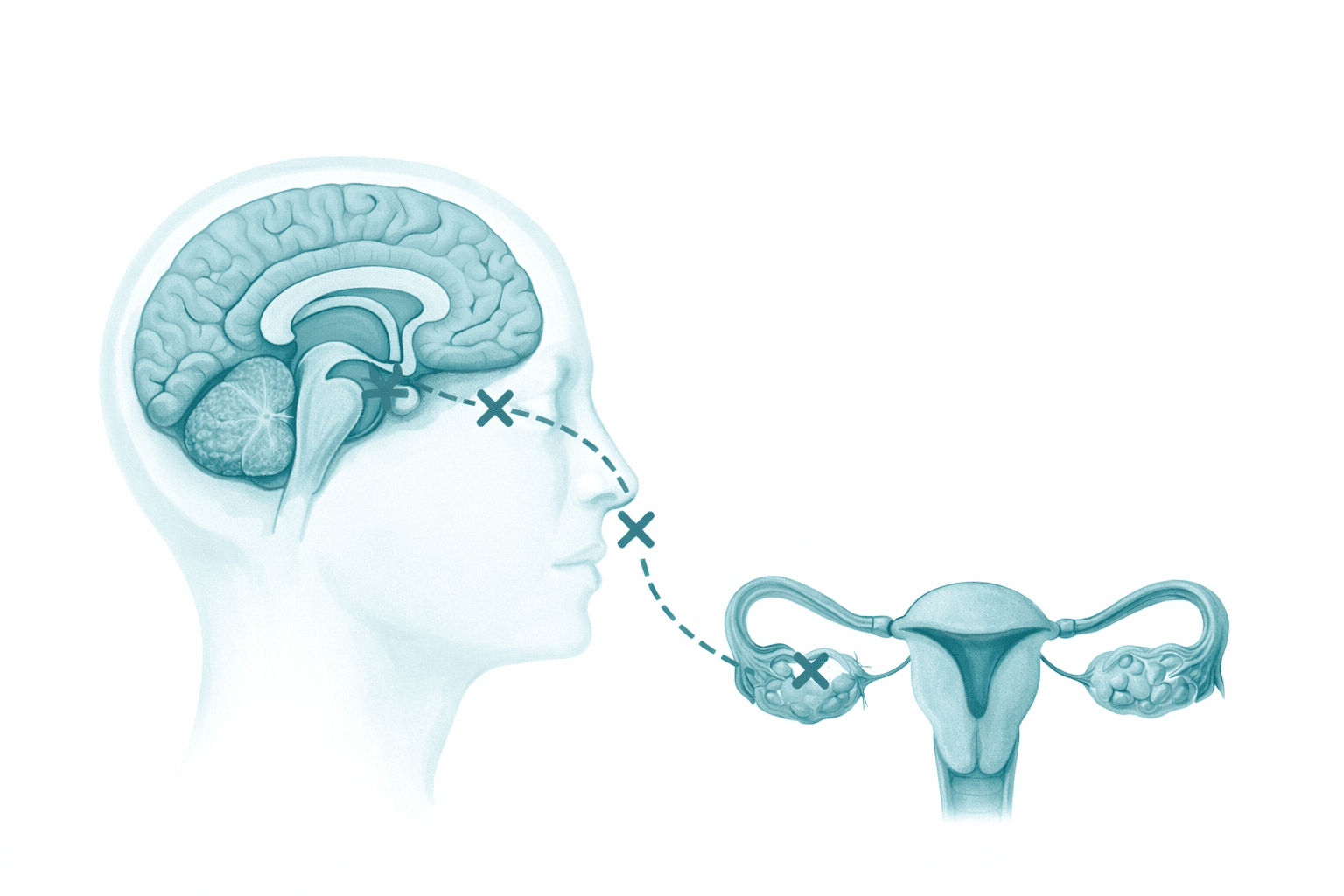
Often linked to low energy availability, intense training, weight change, or stress that suppresses hormone signaling.
High prolactin (hyperprolactinemia)
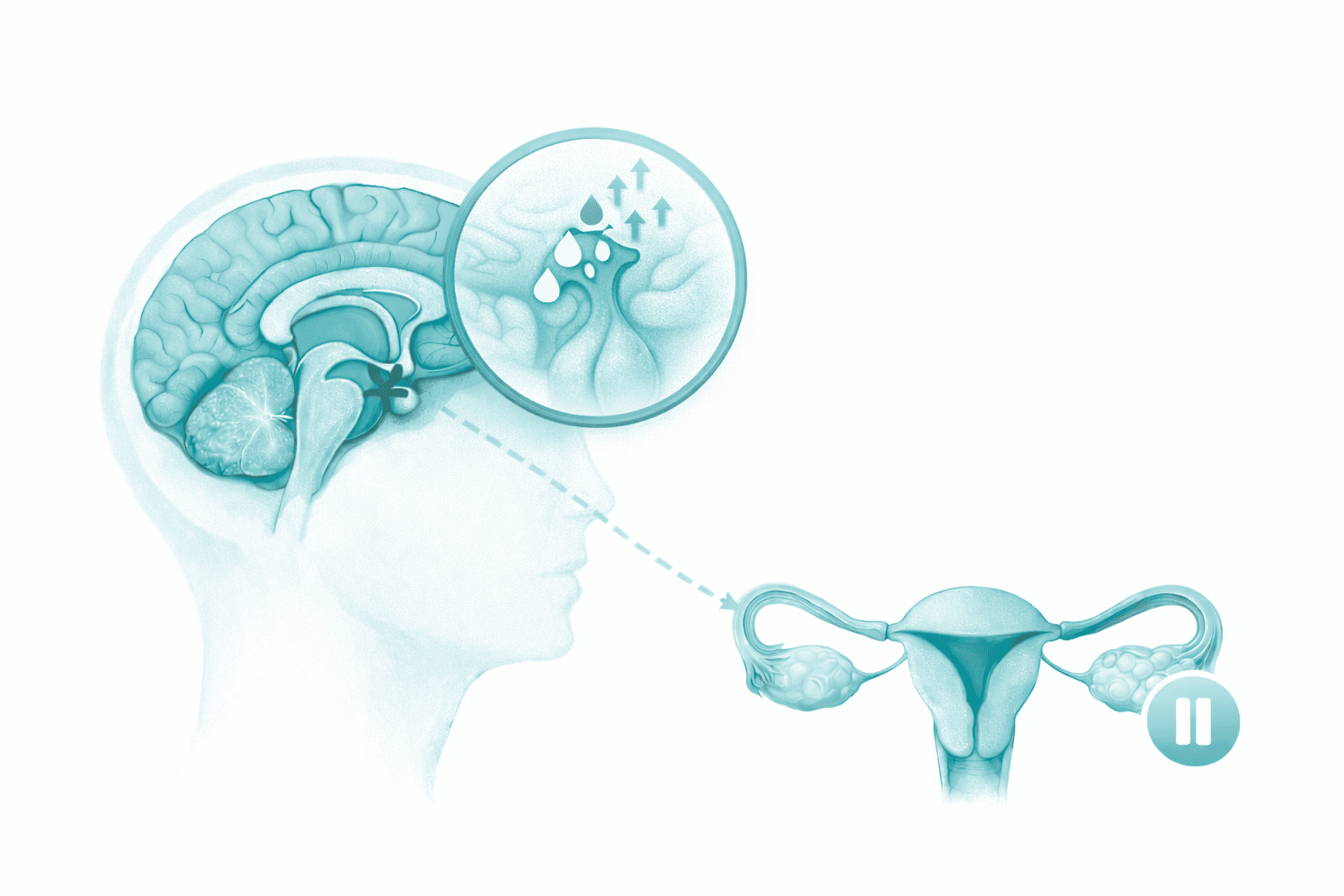
High prolactin can switch periods off and may also cause milky nipple discharge in some people.
POI (early ovarian slowdown)
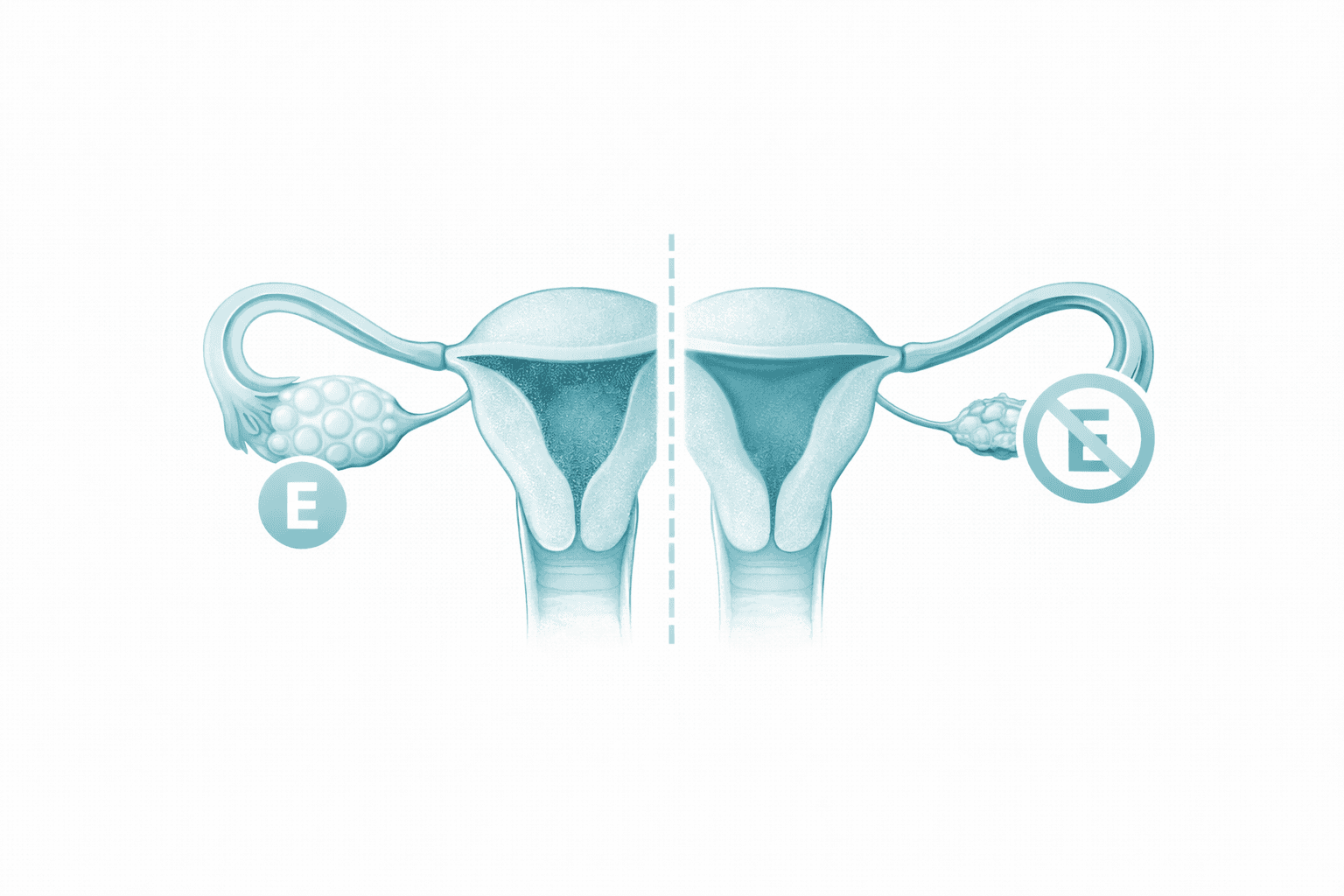
The ovaries work less consistently before age 40, causing cycle changes and lower oestrogen symptoms.
Womb scar tissue (intrauterine adhesions)

Scar tissue inside the uterus can reduce flow or stop periods, often after pregnancy-related procedures or uterine surgery.
Thyroid and other endocrine causes
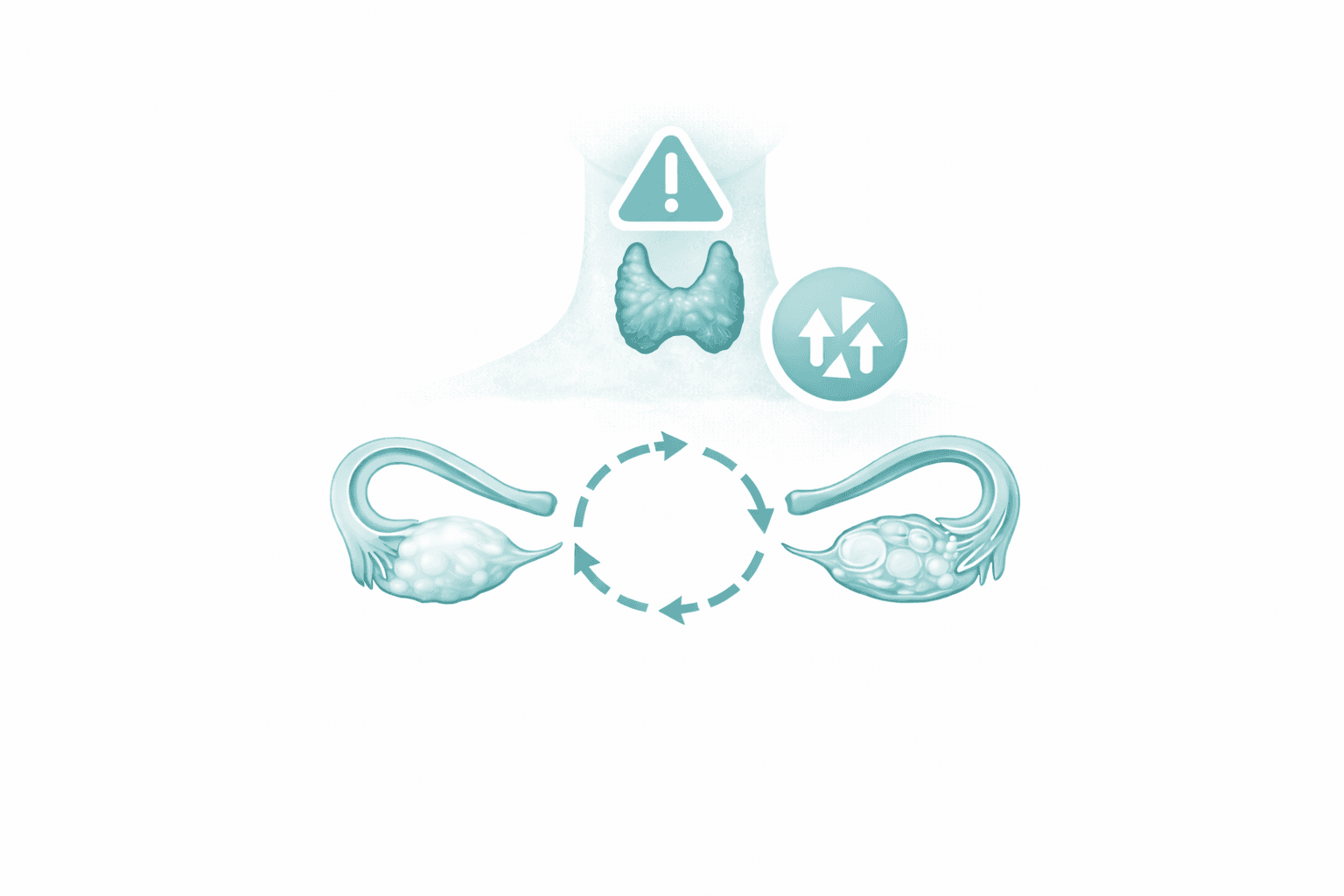
Thyroid dysfunction and some medications can affect cycle hormones and need targeted treatment.
What the assessment usually includes
Step 1
Confirm pregnancy status
Even when pregnancy seems unlikely, hCG testing is a standard and essential first step.
Step 2
Story and focused check
We ask about cycle changes, weight, exercise, stress, medicines, and symptoms like acne or extra hair.
Step 3
First blood tests
These often include pregnancy hormone, prolactin, thyroid, and ovarian hormone checks. Extra tests are added only when needed.
Step 4
Scans or procedures (if needed)
A pelvic scan is common. If prolactin is high, a brain scan may be needed. If scar tissue is suspected, we may use a camera test inside the womb.
What treatment may involve
Treatment depends on the cause. The goals are to help periods return where possible, protect womb and bone health, and support your long-term reproductive health.
- Cycle and womb-lining protection: if periods are very infrequent, treatment helps protect the womb lining.
- Cause-specific treatment: for example treatment for high prolactin, thyroid problems, or scar tissue in the womb.
- Energy and stress recovery: especially when periods stop due to stress, under-fuelling, or very hard training.
- Hormone support in POI: used to support symptoms and protect bone and heart health up to typical menopause age.
- Fertility planning: tailored to your diagnosis and future goals.
Plans are reviewed over time, so treatment can be adjusted based on response.
Need a clear plan? Bring your cycle history, current medications, and any prior blood results or scans if available.
Common questions
Frequently asked questions
Could stress or weight change really stop periods?
Yes. Big changes in stress, eating, exercise, or weight can switch periods off for some people.
Is PCOS the only common cause?
No. PCOS is common, but so are functional hypothalamic amenorrhoea, prolactin-related causes, thyroid causes, and less commonly POI or uterine adhesions.
Will I definitely need a scan?
Not always. Most people start with history and blood tests; scans or procedures are added when your pattern suggests they are useful.
If pregnancy test is negative once, is that enough?
Usually we still use structured follow-up, because timing matters and causes can overlap. The rest of the assessment remains important.
Can absent periods affect long-term health?
They can, depending on the cause and how long this has been going on. Bone health, womb-lining protection, and fertility planning are part of care.
Still unsure? We can map your symptoms to the right branch and agree on practical next steps.