Absent periods cause
Primary ovarian insufficiency (POI)
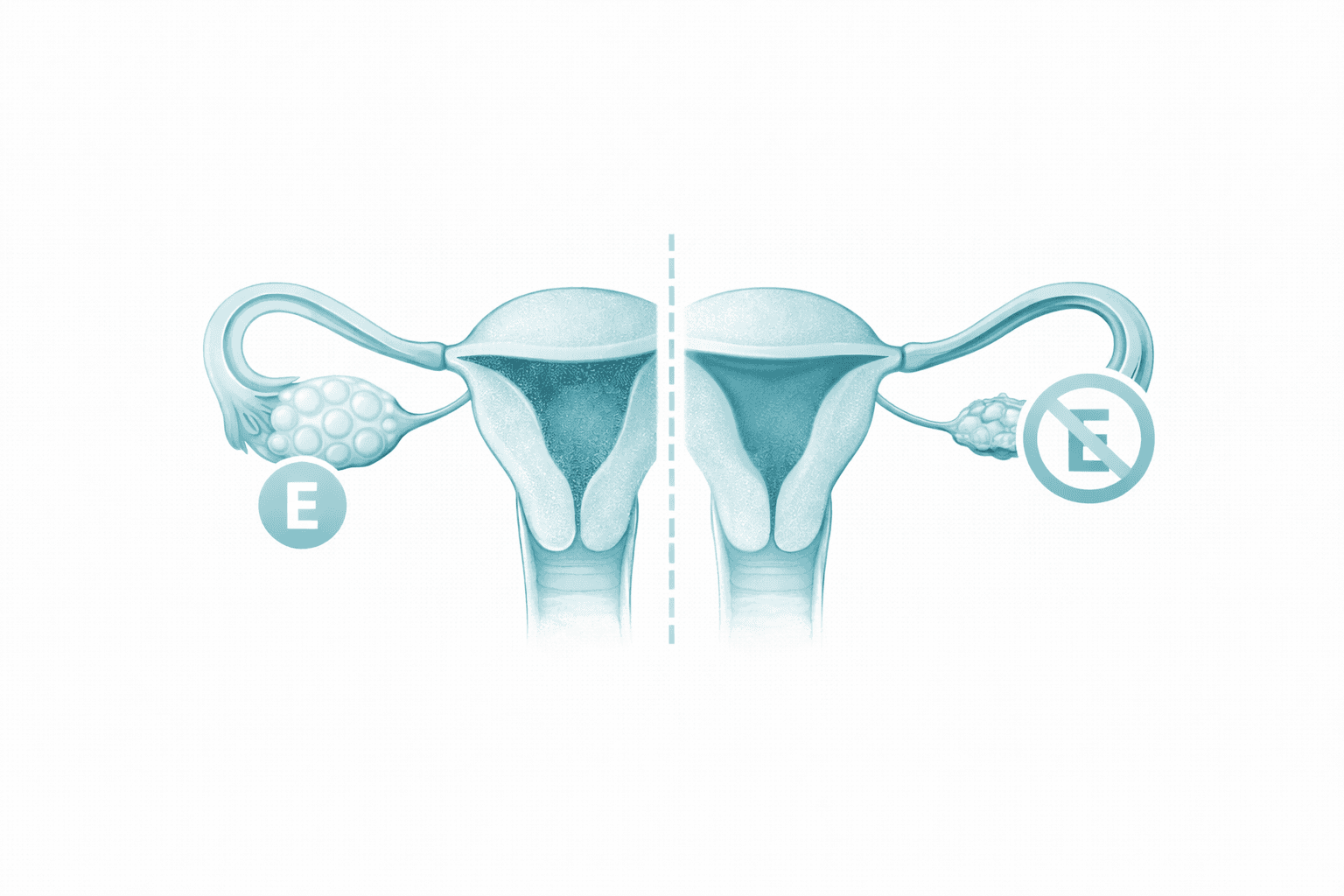
POI means ovarian function has reduced earlier than expected (before age 40). It can affect periods, estrogen levels, long-term health, and fertility planning, but support options are available.
Quick definition
POI is diagnosed when periods become irregular or stop, estrogen is low, and follicle-stimulating hormone (FSH) is in a menopausal range before age 40 on repeat testing.
If your main concern is missed periods generally, see Absent periods.
When to seek urgent care
- Positive pregnancy test with one-sided pain, shoulder-tip pain, faintness, or bleeding.
- Severe vomiting, dehydration, dizziness, or collapse.
- New severe headache, visual change, or severe chest pain.
- Symptoms suggesting adrenal crisis (severe weakness, vomiting, low blood pressure) if known autoimmune disease is present.
If you are unsure, contact reception or your nearest emergency centre.
At a glance
- POI is not exactly the same as permanent menopause; intermittent ovarian activity can still occur.
- Some people with POI can have occasional ovulation and occasional spontaneous pregnancy.
- Early estrogen support is usually important for symptoms, bone health, and cardiovascular protection.
- Care includes both symptom relief now and long-term health planning.
Why POI can happen
In many people, one clear cause is not found. When we can identify a cause, it often falls into one of these groups:
Genetic factors
Some chromosome or gene patterns are linked to POI. Testing may include karyotype and fragile X premutation (FMR1).
Autoimmune causes
In some people, immune pathways affect ovarian function, and related endocrine glands may also need review.
Prior ovarian injury
Previous surgery, chemotherapy, or radiotherapy can reduce ovarian reserve and function earlier.
Important: POI is not caused by one lifestyle mistake. It is a medical condition that needs structured support.
How we diagnose POI
Step 1
Confirm period pattern and exclude pregnancy
We review cycle history and symptoms carefully. Pregnancy testing is always first when periods are absent.
Step 2
Hormone testing with repeat confirmation
POI diagnosis uses elevated FSH with low estradiol before age 40, confirmed on repeat tests (while excluding common look-alike causes).
Step 3
Check related endocrine causes
Thyroid and prolactin are checked, and selected autoimmune/endocrine screening is added where clinically relevant.
Step 4
Cause-focused testing when indicated
Depending on age and history, testing can include karyotype and FMR1 premutation, plus targeted follow-up planning.
Treatment options
Treatment is individualized, but most plans include estrogen replacement (with endometrial protection if the uterus is present) unless contraindicated.
Hormone replacement foundation
Physiologic estradiol with progesterone protection is commonly used to replace what the ovaries are no longer producing consistently.
Symptom-targeted add-ons
Vaginal estrogen may be added for dryness/urogenital symptoms. Regimens are adjusted to symptom response and tolerability.
Cause-specific follow-up
If autoimmune or genetic factors are found, treatment and surveillance are tailored to that pattern.
Key point: in POI, hormone treatment is usually continued until around the usual age of natural menopause (if safe for you), with regular review.
Bone and heart health in POI
Lower estrogen at a younger age can affect bone density and cardiovascular risk over time. Prevention matters early.
- Bone-protective hormone strategy is a core part of treatment.
- Lifestyle support includes resistance activity, nutrition, vitamin D/calcium adequacy, and smoking avoidance.
- Cardiometabolic risk factors are reviewed and tracked over time.
Fertility planning
Fertility in POI can be unpredictable. Intermittent ovarian activity may occur, but planning is important.
Spontaneous conception can happen
A minority of people with POI do conceive spontaneously, so contraception is still discussed when pregnancy is not planned.
Assisted options
When pregnancy is desired, options may include donor-oocyte IVF, embryo donation, and other individualized pathways.
Counselling support
This diagnosis can be emotionally heavy. Clear counselling helps with decision-making and timing.
Common questions
Frequently asked questions
Is POI the same as permanent menopause?
Not exactly. Ovarian activity can be intermittent in POI, so cycles or ovulation can occasionally occur.
How is POI confirmed?
Diagnosis uses menstrual history plus repeat hormone testing (including FSH and estradiol), while excluding other endocrine causes.
Do I usually need hormone treatment?
For most people, yes, unless contraindicated. Hormone treatment supports symptoms, bone health, and long-term protection.
Can I still get pregnant?
Some people conceive spontaneously, but many need assisted pathways. Early fertility counselling helps with planning.
Will this affect long-term health?
It can, which is why bone and cardiovascular prevention is part of core POI care, not an optional extra.
Still unsure? Bring prior blood tests and your cycle timeline to your visit so we can make a clear, practical plan.