← Back to Antenatal & pregnancy care
Pregnancy + pelvic floor
Pelvic floor health during pregnancy
Leakage, urgency, heaviness, and recovery concerns often start during pregnancy rather than only after birth. This page focuses on what is common, what helps, and when pelvic floor symptoms should change the conversation.
Pregnancy changes how the pelvic floor is loaded and how supporting tissues respond. Symptoms can build gradually across pregnancy and can also be influenced by previous births, constipation, coughing, and exercise patterns.
Why it happens
Why pelvic floor symptoms can start in pregnancy
Pelvic floor symptoms in pregnancy are common because pregnancy changes pressure, tissue support, and how the bladder and bowel behave day to day. That does not automatically mean damage, but it does explain why symptoms can appear even before labour starts.
More load and pressure
As the uterus and baby grow, the pelvic floor carries more downward load. That is one reason symptoms like leakage, heaviness, and urgency often become more noticeable as pregnancy progresses.
Tissue and hormonal change
Pregnancy hormones make tissues more adaptable and more stretchable. That is helpful for pregnancy and birth, but it can also make support feel different and contribute to pressure or prolapse-type symptoms.
Previous history and daily strain
A previous tear, forceps birth, prolapse, constipation, coughing, or high-impact exercise pattern can all add to the picture. Symptoms are often shaped by several smaller factors rather than one single cause.
Across pregnancy
What may feel different at different stages
The pattern is not identical for everyone, but some symptoms tend to show up more often at certain stages of pregnancy.
Early pregnancy
Bladder frequency, urgency, constipation, and a sense that things already feel different can start surprisingly early. Early symptoms do not always mean the pelvic floor is weak, but they do deserve context.
Mid-pregnancy
As load increases, some patients notice leakage with exercise, coughing, or sneezing, or start to feel more aware of heaviness after a long day. This is often the stage where technique and habits start to matter more.
Late pregnancy
Pressure, heaviness, urgency, and uncertainty about wetness can all become more noticeable later on. At this stage, it is especially important not to assume every episode of leakage is urine without thinking about ruptured membranes.
When pelvic floor symptoms need earlier review
Not every pelvic floor symptom is urgent, but some should not just be watched at home.
- A sudden gush or ongoing watery leakage when you are not sure whether it is urine, discharge, or your waters.
- Inability to pass urine, pain with passing urine, fever, or blood in the urine.
- A new or worsening vaginal bulge or marked pelvic pressure.
- Symptoms that are stopping normal walking, exercise, work, or daily activities.
- Leakage, pressure, or bowel symptoms with a previous major tear, forceps birth, or difficult recovery.
- Constipation and straining severe enough to cause pain, bleeding, or a sense that you cannot empty properly.
Later in pregnancy, it is safer to get assessed than to guess whether wetness is urine or ruptured membranes.
What usually helps
What usually helps during pregnancy
Pelvic floor care in pregnancy is usually conservative. The aim is to improve symptoms, protect function, and avoid making recovery harder after birth.
Pelvic floor muscle training
Pelvic floor muscle training during pregnancy lowers the risk of urinary leakage. It works best when the technique is correct and part of a regular plan rather than occasional squeezing.
What pelvic floor physio usually involves
Physio usually includes understanding your symptoms, checking whether you can contract and relax properly, looking at breathing and pressure patterns, and working through exercise, bladder, bowel, and recovery goals.
Bowel, bladder, and pressure habits
Constipation, repeated straining, chronic coughing, and just-in-case toilet visits can all make symptoms harder to manage. Small habit changes can matter more than people expect.
Exercise and daily movement
The aim is usually not to stop all activity. It is to keep movement comfortable and sustainable, while adjusting impact, breathing, lifting, and recovery habits if symptoms flare.
After birth
What recovery can look like after birth
Pregnancy itself affects the pelvic floor, so recovery questions do not only apply after vaginal birth. Route of birth changes the picture, but neither route guarantees no symptoms and neither means recovery should be perfect by six weeks.
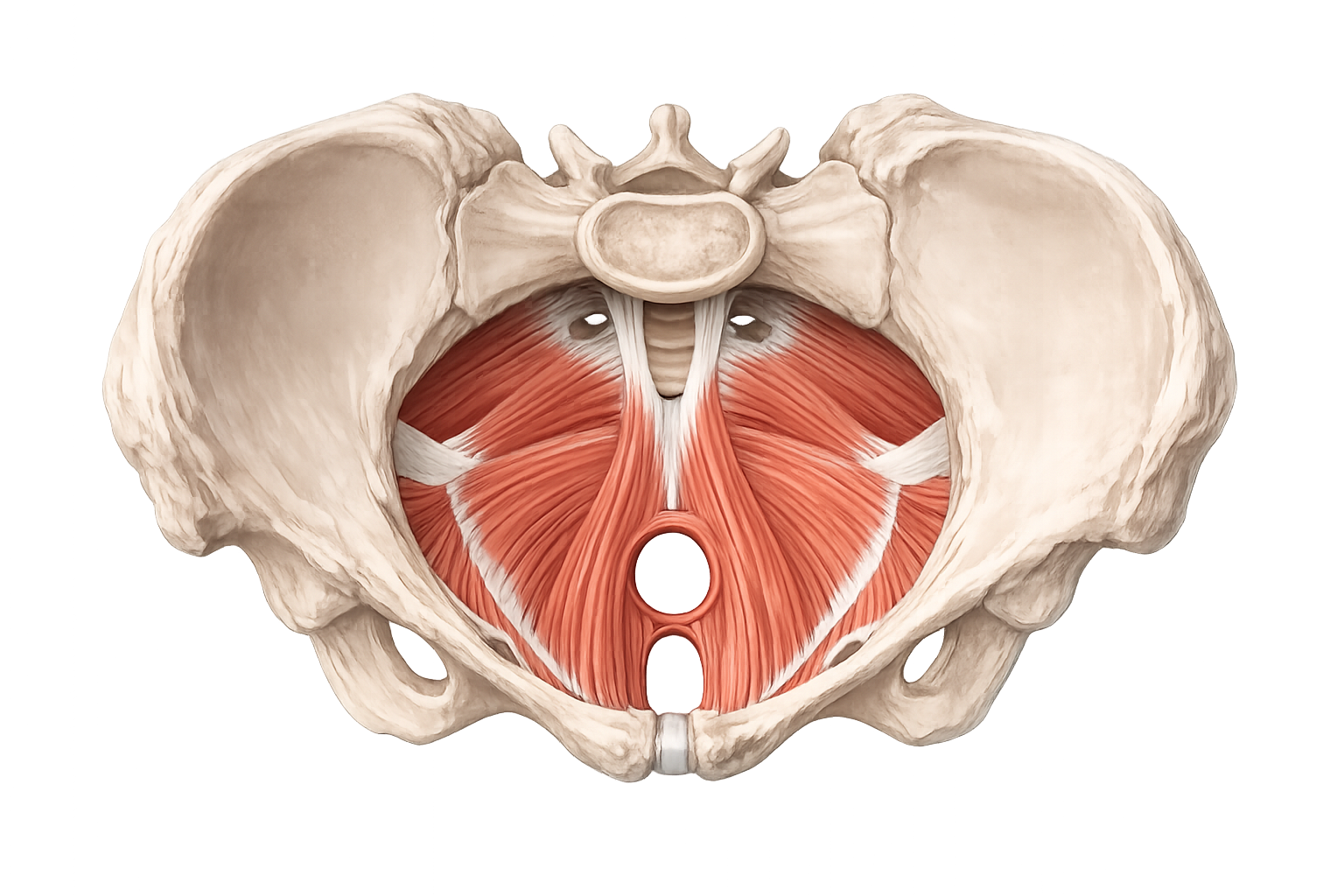
Recovery is usually gradual over weeks and months. Improvement is expected, but significant leakage, heaviness, pain, bowel difficulty, or a sense that things are not settling deserves review sooner.
How the picture differs
Vaginal and caesarean birth are not the same, but both still need recovery
- After vaginal birth: perineal soreness, swelling, temporary leakage, urgency, and heaviness can all flare more, especially after a long pushing stage, forceps, vacuum, or a significant tear.
- After caesarean birth: there is no vaginal wound, but pregnancy can still leave leakage, urgency, heaviness, and reduced confidence around movement and return to exercise.
- In both situations: recovery is gradual and may still be evolving well beyond the 6-week check.
- Earlier review matters if: you cannot empty your bladder or bowel properly, have a significant bulge sensation, worsening leakage, severe pain, or recovery feels clearly off course.
Frequently asked questions
Common pelvic floor questions in pregnancy
Is urinary leakage normal in pregnancy?
It is common, but common does not mean you should ignore it. Technique, bladder habits, constipation, coughing, and physio support can all make a difference.
Can prolapse symptoms start before birth?
Yes. Heaviness, dragging, or a bulge sensation can begin in pregnancy. Assessment helps work out whether this is prolapse, pressure-related discomfort, or another cause.
Should I just do Kegels if I feel heavy or leak?
Often pelvic floor training helps, but more squeezing is not always the answer. If symptoms worsen, feel painful, or do not make sense, guided assessment is better.
Does caesarean birth fully protect the pelvic floor?
No. Mode of birth matters, but no route removes all pelvic floor risk. Decisions should be individualized to the pregnancy, your symptoms, and your previous birth history.
When should I see a pelvic floor physio during pregnancy?
If you leak, feel heavy, struggle with bladder or bowel emptying, have a previous major tear, or want guidance on exercise and recovery planning, pregnancy is a good time to go.
What does pelvic floor physio usually involve?
It usually involves understanding your symptoms, checking whether you can contract and relax your pelvic floor well, looking at breathing and pressure patterns, and making a practical plan for bladder, bowel, exercise, birth, and recovery questions.
Next steps
Raise the question before birth, not only after
If bladder leakage, urgency, heaviness, or a previous difficult pelvic floor recovery is part of your pregnancy story, it is reasonable to raise it during antenatal care rather than waiting until after birth.