
Antenatal care | Cape Town
Pregnancy care
Clear guidance for what to do after a positive test, what routine care usually includes, and which symptoms should never wait.
Use this hub as a calm starting point for early pregnancy questions, scan timing, routine milestones, bladder or pelvic floor concerns, birth planning, and early postpartum recovery.
Consulting at Life Kingsbury Hospital in Claremont, Cape Town, with pregnancy care that keeps birth, recovery, and pelvic floor health in view from the start.
When to seek urgent care
Same-day assessment matters if you have any of the following:
- Heavy bleeding, passing clots, or bleeding with significant pain.
- One-sided pain, shoulder-tip pain, fainting, collapse, or marked dizziness.
- Severe headache, visual change, upper abdominal pain, or sudden swelling.
- Persistent vomiting with dehydration, fever, or feeling very unwell.
- Reduced fetal movements later in pregnancy.
- Waters breaking, labour concerns, or painful regular contractions before term.
If symptoms feel urgent, use same-day medical care rather than email.
Start here
Start with your question
These are the entry points most patients need first. Choose the card that sounds most like the decision or worry you have now.
I’ve just had a positive test
What to do now, when to book, and when an ultrasound is actually useful.
I’m deciding about screening
Understand NIPT, first-trimester screening, and the anatomy scan without drowning in jargon.
Something feels wrong now
Bleeding, pain, severe vomiting, blood-pressure symptoms, or reduced movements need a clearer plan.
I want the overall roadmap
Routine checks by trimester, common tests, and how birth and postpartum planning usually fit in.
Care journey
Your pregnancy care journey
This map shows what usually happens, when it happens, and whether the next step is a room visit, blood test, or independent fetal scan. Timing can shift if symptoms change or extra monitoring is needed.
Positive test
Starting point
A positive test is the point to work out timing, symptoms, and when your first visit or scan will actually be useful rather than confusingly early.
Planning and follow-upNext step: decide whether you need urgent review sooner or a routine first booking visit.
7 to 10 weeks
First booking visit
Your first consultation and ultrasound in the rooms, with early symptom review and pregnancy planning.
Visit with Dr AdlamThis is where history, early symptoms, scan timing, and the immediate plan start to come together.
Around 10 weeks
Routine pregnancy blood tests
Baseline pregnancy bloods and early screening bloodwork where relevant.
Lab testUsually done at the laboratory rather than during the consultation itself.
11 to 14 weeks
NT scan and first-trimester screening
If you are doing screening, this is the NT scan window, with NIPT from 10 weeks if relevant.
Independent fetal scanThis is usually booked outside the rooms because it is a dedicated fetal-medicine scan done in a high-volume practice by providers with additional focused training in this assessment.
16 weeks
Routine follow-up visit
A follow-up visit with interval ultrasound, symptom review, and clearer planning after early screening results.
Visit with Dr AdlamThis is often where the pregnancy starts to feel more established and practical planning becomes easier.
20 to 22 weeks
Detailed anatomy scan
The main structural scan of pregnancy, looking at anatomy, placenta, fluid, and how the pregnancy is developing.
Independent fetal scanThis is usually booked outside the rooms because it is a specialist fetal scan performed in a high-volume practice by providers with additional focused training in this assessment.
24 to 28 weeks
Mid-pregnancy follow-up and screening
Ongoing follow-up with interval ultrasound, gestational diabetes screening, and practical planning as pregnancy progresses.
Visit with Dr AdlamThis stage often includes glucose screening, vaccines, admin planning, and questions that become more practical.
32 to 36 weeks
Late pregnancy follow-up
Follow-up with interval ultrasound, movement review, blood-pressure review, and preparing safely for birth.
Visit with Dr AdlamThis stage may include GBS swab timing, consent, contraception discussion, and what to do if concerns appear.
38 to 40+ weeks
Final assessments and timing of birth
Final visits often include interval ultrasound, labour planning, and deciding when birth should happen.
Visit with Dr AdlamThis may include a cervical check, a membrane sweep, induction planning, or a planned caesarean pathway depending on how pregnancy is progressing.
After birth to 6 weeks
Postpartum recovery and follow-up
The postnatal review looks at recovery, feeding questions, bladder or pelvic floor symptoms, wounds if relevant, and future planning.
Visit with Dr AdlamThis is also the point to talk about contraception, recovery concerns, and what still does not feel right.
Preparing for birth
Preparing for birth and recovery
For many patients, the biggest questions later in pregnancy are about labour, delivery, and what recovery will look like afterwards. These are core parts of pregnancy care, not an afterthought at the very end.
Labour and birth planning
Questions about timing, pain relief, induction, mode of birth, and what changes the decision-making near term.
Go to birth planningAfter childbirth: what is settling and what is not
A practical guide to what recovery can feel like, what needs earlier review, and whether the next step is physio, scar support, bladder or bowel care, or specialist assessment.
Go to after childbirth recoveryScarring, pain, or healing concerns
If recovery does not feel straightforward, ongoing pain or scarring questions should not be written off as something you must just live with.
See postpartum scarring guidanceHow care is organised
How the journey works
This is a simple way to see what usually happens in the consulting rooms, what is done at the laboratory, and why the NT and anatomy scans are booked outside the rooms.
In the rooms
Consultation, ultrasound, and planning
Routine pregnancy visits in the rooms usually include ultrasound as well as symptom review, examination where relevant, and decisions about what the next step should be.
At the lab
Blood tests and screening bloods
Pregnancy bloods, glucose screening, and other bloodwork are usually done at the laboratory rather than during the consultation itself.
Outside the rooms
Dedicated NT and anatomy scans
These scans are usually booked outside the rooms because they are important fetal-medicine scans done in high-volume practices by providers with additional focused training in these particular assessments.
If symptoms or risk factors change, the timing and frequency of care can change too.
Urogynaecology perspective
Pelvic floor health during pregnancy
One thing that can be missed in routine pregnancy care is how pregnancy affects bladder control, pelvic support, and recovery after birth. Because this care is informed by urogynaecology, those questions can be raised earlier rather than treated as an afterthought once the baby is born.
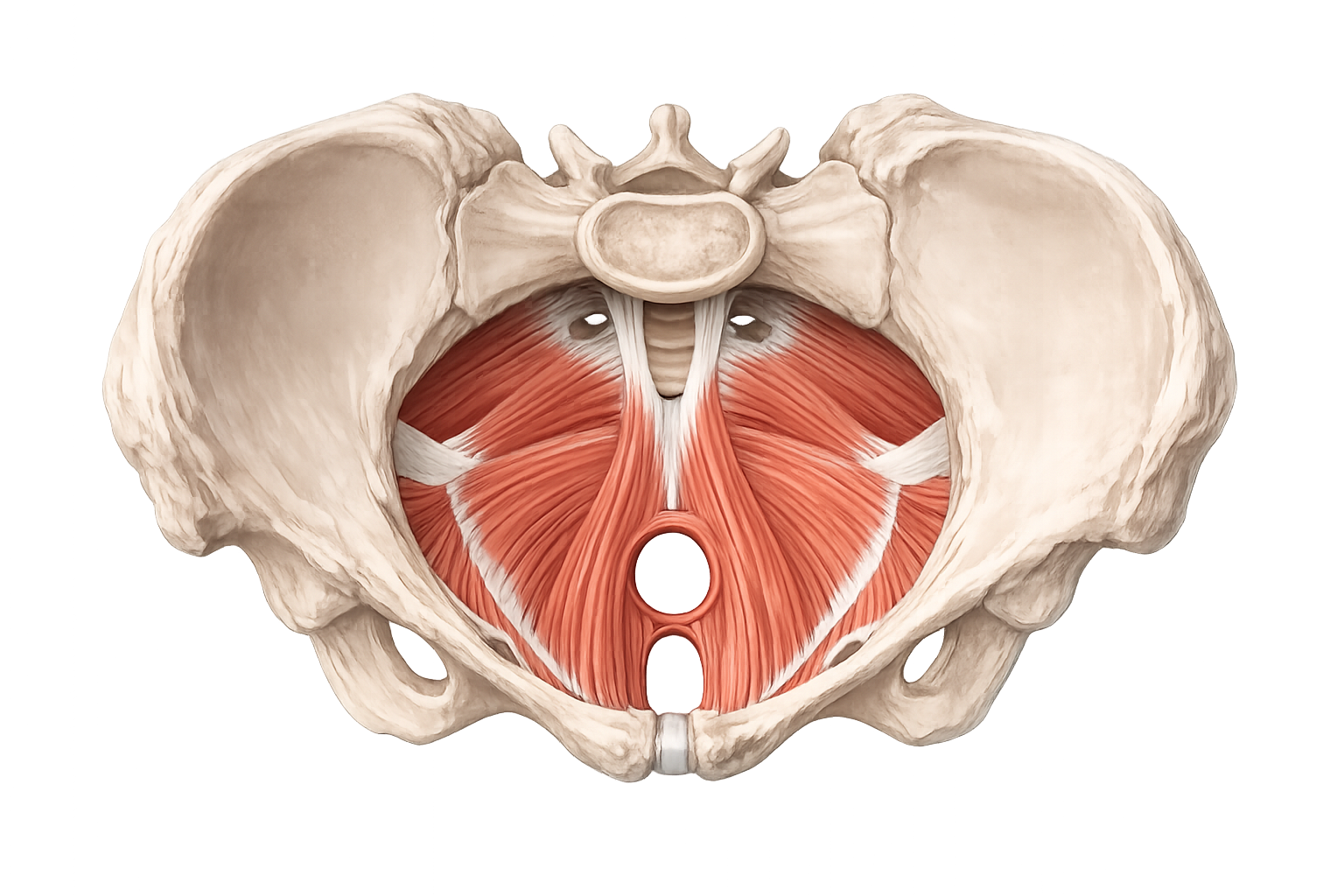
These symptoms are common in pregnancy, but they still matter because they can affect comfort, confidence, exercise, delivery planning, and early recovery.
What is different here
Pregnancy care with pelvic floor expertise
Pregnancy care can include protecting the pelvic floor before delivery, not only reacting to symptoms afterwards. That may mean earlier discussion of pelvic floor muscle training, physiotherapy, previous tears, prolapse symptoms, bladder symptoms, and how birth and postpartum recovery are planned.
- Pelvic floor symptoms can be asked about directly rather than waiting for the postnatal visit.
- Pelvic floor muscle training and physiotherapy can be part of prevention, not only recovery.
- Birth planning and postpartum support can be framed with bladder and pelvic floor recovery in mind.
Common topics
Most common pregnancy questions
These are the questions patients ask most often in practice, especially between routine visits.
Bleeding or pain in early pregnancy
Common causes, urgent red flags, and what assessment usually includes.
Read this pageNausea and vomiting
What is common, what helps, and when symptoms become dehydration or hyperemesis.
Read this pageFirst-trimester screening
Your options, timing, and how to choose what fits your situation.
Read this pageAnatomy scan
What the detailed scan checks, what it cannot promise, and how results guide next steps.
Read this pageRoutine tests and check-ups
Which blood tests, scans, and visits are routine, and why each one exists.
Read this pageGestational diabetes
Screening timing, what a diagnosis means, and how follow-up usually changes.
Read this pageBlood pressure and pre-eclampsia
Warning symptoms, why blood pressure matters, and when the same-day threshold is lower.
Read this pageReduced fetal movements
What change in movement pattern means, and why it should not wait for a routine review.
Read this pagePelvic floor health during pregnancy
Leakage, urgency, heaviness, previous tears, and how pregnancy care can plan ahead for recovery as well as birth.
Read this pageFrequently asked questions
Common questions about pregnancy care
When should I book my first pregnancy visit?
Most patients book once a pregnancy test is positive and timing is likely to make the first scan useful, often around 7 to 10 weeks. Pain, bleeding, or a previous higher-risk history can make earlier review more helpful.
Do I need an ultrasound immediately after a positive home test?
Not always. Scanning too early can create uncertainty because the pregnancy may simply be too small to interpret yet. Timing the scan properly is often more useful unless symptoms need urgent assessment.
Which symptoms should be assessed the same day?
Heavy bleeding, one-sided pain, fainting, severe headache with visual change, fever, persistent vomiting with dehydration, reduced fetal movements, or labour concerns should not wait for routine advice.
Will every antenatal visit include a scan?
Not every visit needs the same type of scan. The aim is to use ultrasound when it answers a useful question for that stage of pregnancy and your clinical situation.
When do reduced movements matter?
Later in pregnancy, a clear drop in your baby’s usual movement pattern should be assessed promptly rather than watched for days at home.
Can I ask about pelvic floor or bladder symptoms during pregnancy or after birth?
Yes. Pregnancy and birth can affect bladder control, pelvic floor support, scarring, and recovery, and those questions are appropriate to raise during pregnancy planning and postpartum follow-up.
Next step
Not sure what fits your situation?
If you are unsure whether something is routine, urgent, or simply needs a clearer explanation, book a visit and we can map out the right next step together.